NPA calls for proper funding for illegal meat checks as shocking new figures emerge
17th Dec 2024 / By Alistair Driver
The NPA has reiterated its calls for the government to ensure crucial checks for illegal meat imports are properly funded, as shocking new figures emerge about the volumes of product of animal origin (POAO) being seized at Dover.
During the weekend of December 6 and 7 alone, more than 6 tonnes of illegal meat was seized by Dover Port Health Authority (DPHA) during a 14-hour period. This included pork from African swine fever-affected areas in Romania.
A year ago, it emerged that, despite stretched resources, DPHA had seized 57 tonnes of illegal meat since the introduction of new ASF controls in September 2022.
Over the past 12 months that figure has soared to more than 147 tonnes. This is despite DPHA staff only providing 20% operational coverage at the Port of Dover due to budgetary pressures, again highlighting that the headline figure represents just the tip of the iceberg.
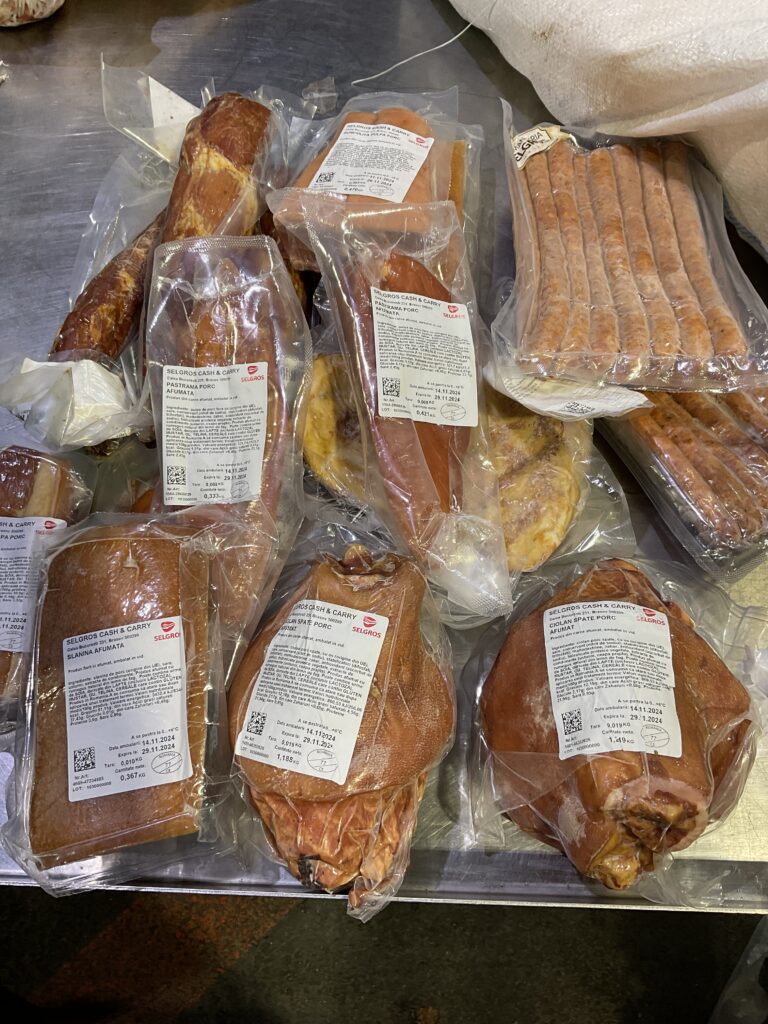
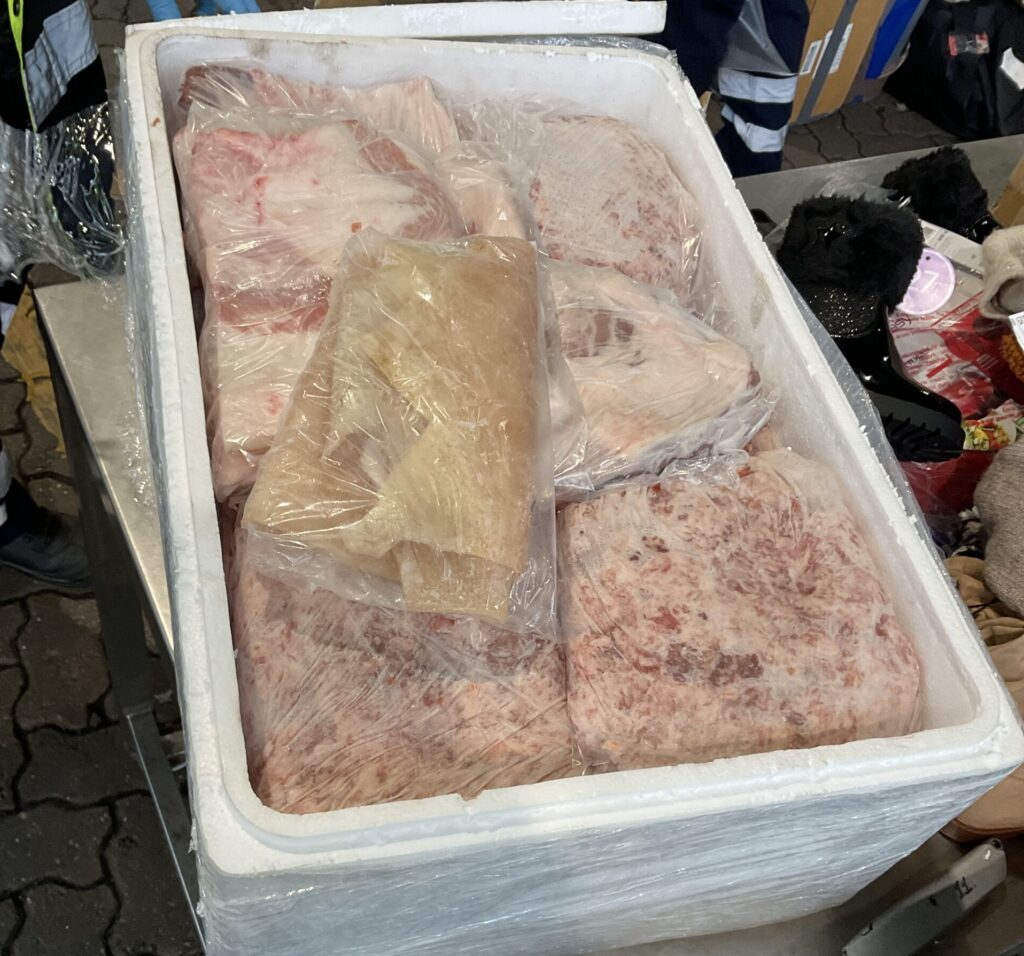

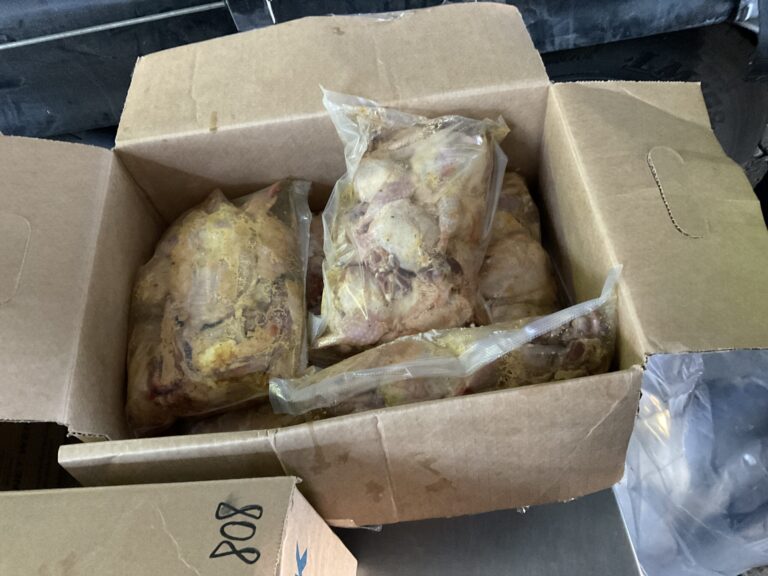
As ASF has spread across Europe in recent years, Romania has been the worst-affected country, with 537 outbreaks recorded in domestic pigs in 2023. With continued cases this year, the whole country has been under restriction and pork exports prohibited from infected areas.
A total of 14 European countries reported domestic ASF outbreaks last year, and 18 reported cases in wild boar.
ASF has caused problems in other parts of Europe this year including areas where it had not previously been present, most notably northern Italy, where it has had a huge impact on the commercial pork sector, and western Germany, where both domestic pigs and wild boar have been affected since the summer.
NPA chief executive Lizzie Wilson said the pig sector and wider farming community would be ‘deeply concerned’ by the latest revelations.
“ASF poses a huge threat to our domestic pig sector and the fact that so much illegal product, much of it from parts of Europe with serious ASF problems, is a massive concern. It is not just pork. DPHA is finding illegal products from all farm species, which not only threatens the health of our national livestock, but also poses a very real human health risk, as product in such vast quantities will most likely be sold into the food service sector.
“We would like to put on record our thanks to DPHA for their phenomenal work in extremely tough conditions with a limited budget and stretched resources.
“But we know so much more is getting through our ports than is being intercepted, and we urge the government to rapidly come up with the funding they need before it is too late. The full cost of a notifiable disease outbreak, especially Foot and Mouth Disease for example, will far outweigh this modest additional funding many, many times over.”
NPA senior policy adviser Tom Haynes highlighted how flaws in the government’s new Border Target Operating Model – including the automatic clearance mechanism designed to prevent a build-up of traffic at the Sevington inland border control post – meant opportunistic criminals were now targeting the commercial route.
“We are extremely concerned that vulnerabilities in the BTOM are now being exploited by criminal importers, with increasing quantities of illegal meat now entering the UK through the commercial route, in addition to the personal imports route,” he said.
Tom has been leading the NPA’s work in engaging MPs in this issue, with both the Environment, Food and Rural Affairs Committee and the All-Party Parliamentary Group for Food Security showing a significant interest. “This is the single biggest issue for the pig sector and we will keep the pressure up,” he said.